The Manchester tool cutting space satellite crashes
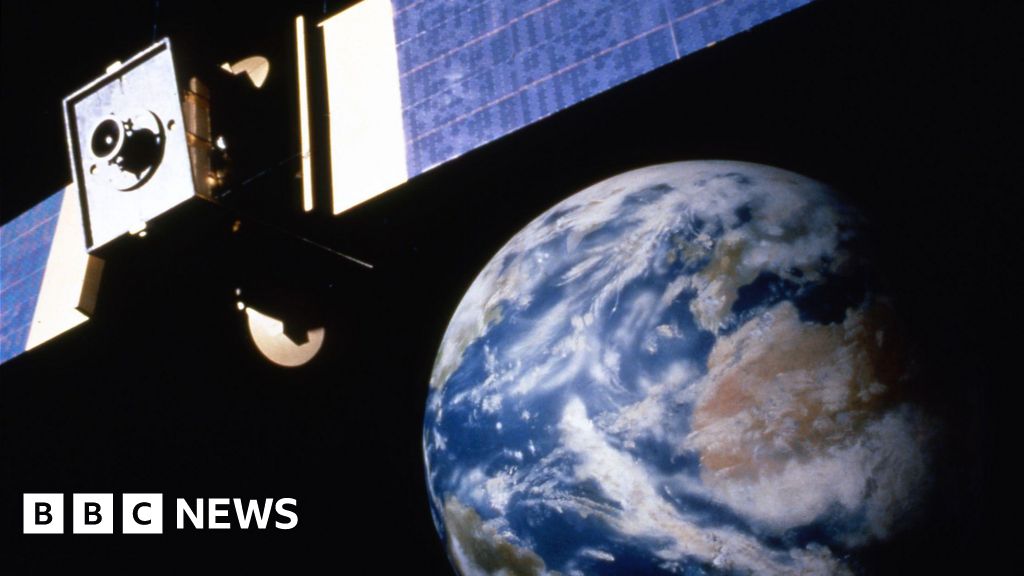
Researchers at the University of Manchester have developed a new system to help prevent satellite collisions in Earth’s crowded orbits. This innovative tool connects satellite mission needs, like capturing high-res images, with the collision risks associated with different satellite sizes and altitudes. With 11,800 active satellites and the number growing, this approach aims to make future missions safer and more sustainable.
Dr Ciara McGrath highlighted that the tool will help maintain a usable space for future generations. By linking mission requirements and collision risks, it gives designers insights into the trade-offs between image quality and orbital safety. Notably, larger satellites pose a greater collision risk, and while higher orbits need fewer satellites for coverage, they also carry this increased risk.
Lead author John Mackintosh addressed the “space sustainability paradox,” noting the challenge of using satellites for Earth’s environmental and social issues without compromising long-term space sustainability.
Read the full article at BBC News